Macro Musing
Australian households keep on spending
Dr Jonathan Kearns - Chief Economist
05 August 2026
To stay up to date on the latest economic insights, subscribe to Macro Musing on LinkedIn.
The RBA is set to leave rates unchanged at its meeting next week after three hikes at the start of this year. But whether rates rise again later this year will depend on whether growth in demand slows enough to rebalance aggregate supply and demand. Household spending will be a key part of this adjustment.
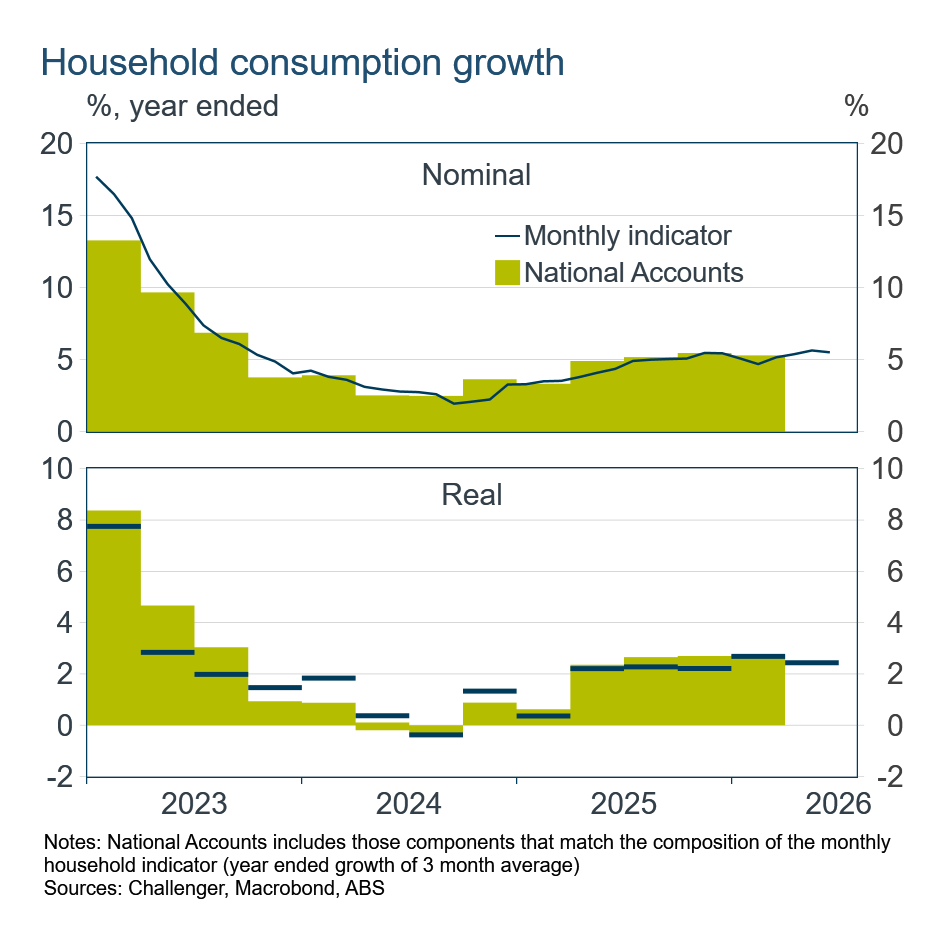
The timely ABS household spending indicator rose 0.8% in June and by 6% over the past year. Adjusted for inflation, real household spending grew by 2.5% over the year, faster than the economy’s potential growth rate. While non-discretionary spending has slowed in recent months, discretionary spending has picked up, suggesting that at least some households do not feel constrained in their spending.
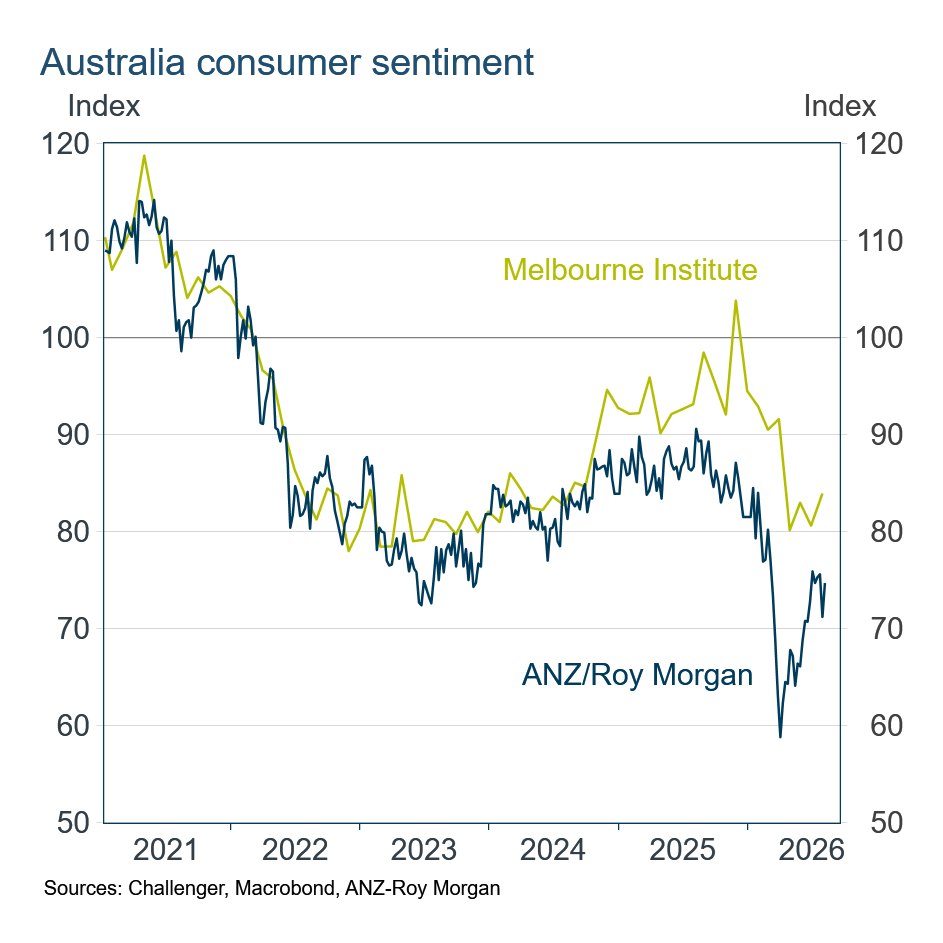
Consumer sentiment fell sharply earlier this year, although it has recovered somewhat in recent months. Sentiment remains low, but it tends to be less useful for predicting household spending than ‘hard data’ such as employment and income growth.
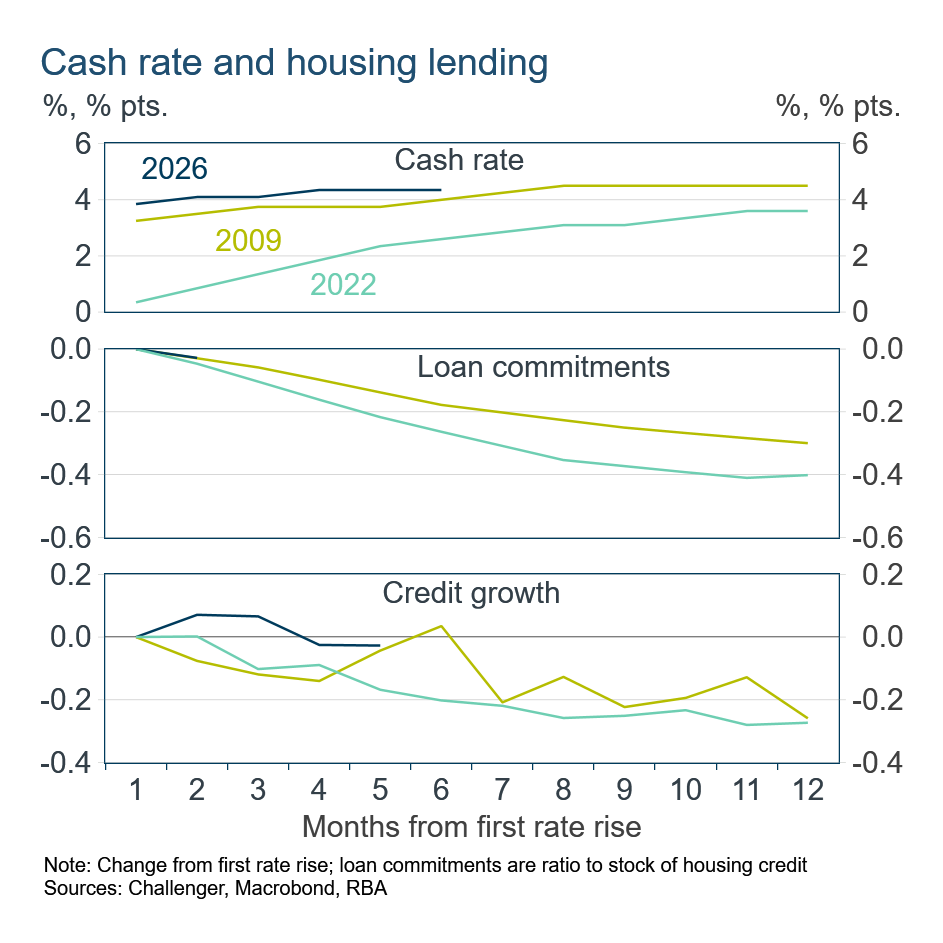
Increases in the cash rate not only reduce the spare cash of households with mortgages but also reduce the incentive for prospective borrowers to take out a loan. So far, the increase in the cash rate this year has been broadly similar to the 2009 tightening. Data on new loans are available only quarterly, with the March quarter recording a small decline consistent with the experience in 2009.
Housing credit growth, which captures both new lending and repayments on existing loans, has similarly slowed a little this year. It remains broadly in line with the 2009 cycle and stronger than in 2022. Together these data suggest that financial conditions for households have tightened only moderately.
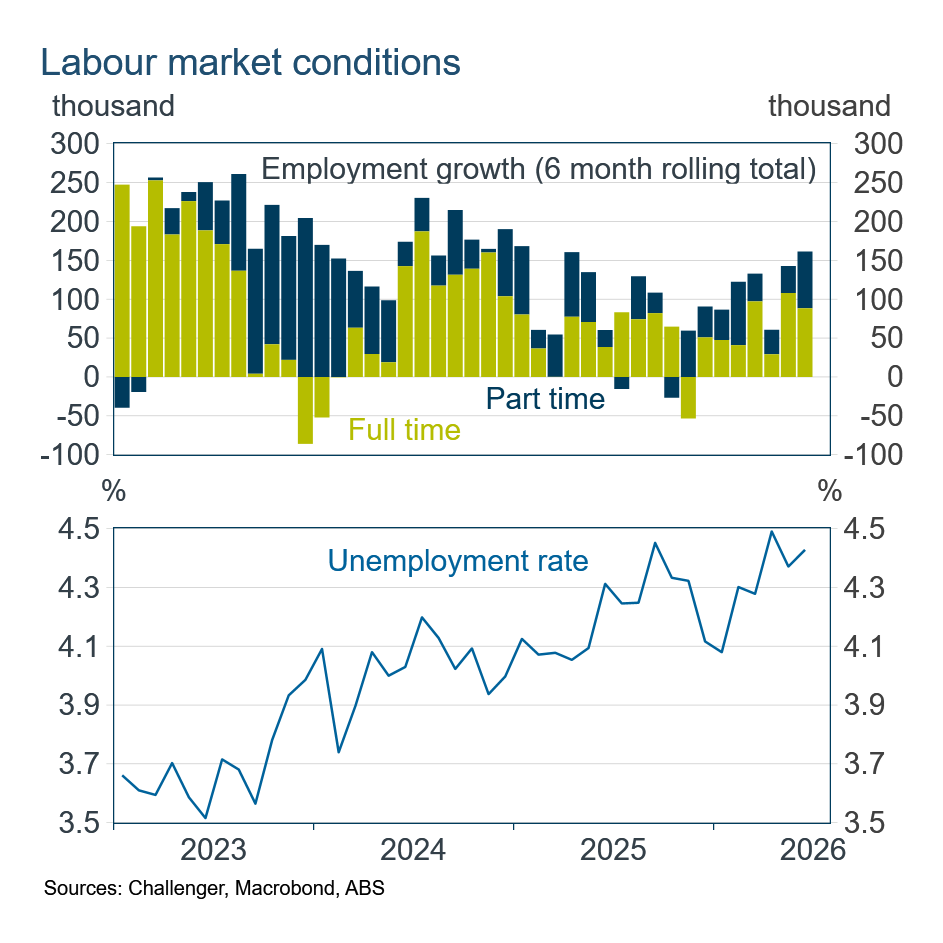
A key explanation for continued spending growth despite slightly tighter financial conditions is the ongoing growth in household incomes. Employment growth has remained strong despite the modest increase in the unemployment rate. Employment has increased by more than 150 thousand jobs over the past six months, with most of them full-time positions.
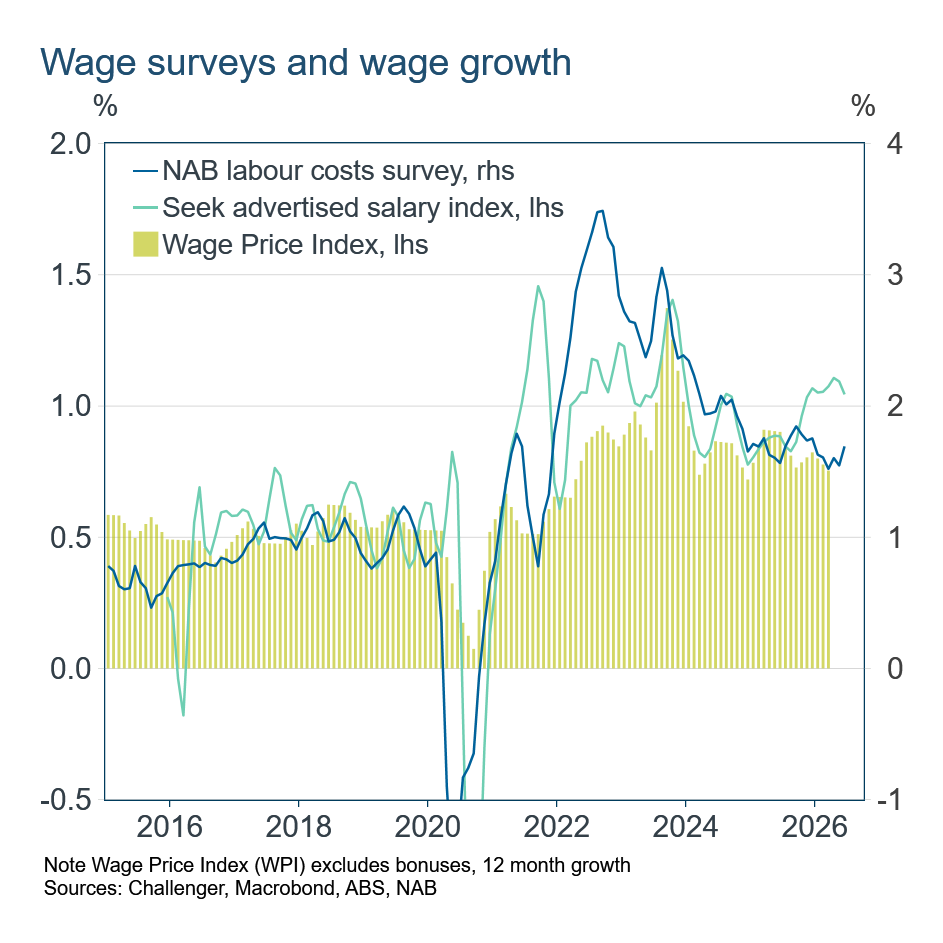
Alongside strong employment growth, wage growth has continued to exceed pre-Covid rates, making an important contribution to household income growth. Timely surveys indicate that wage growth has not slowed, and, if anything, may have picked up.
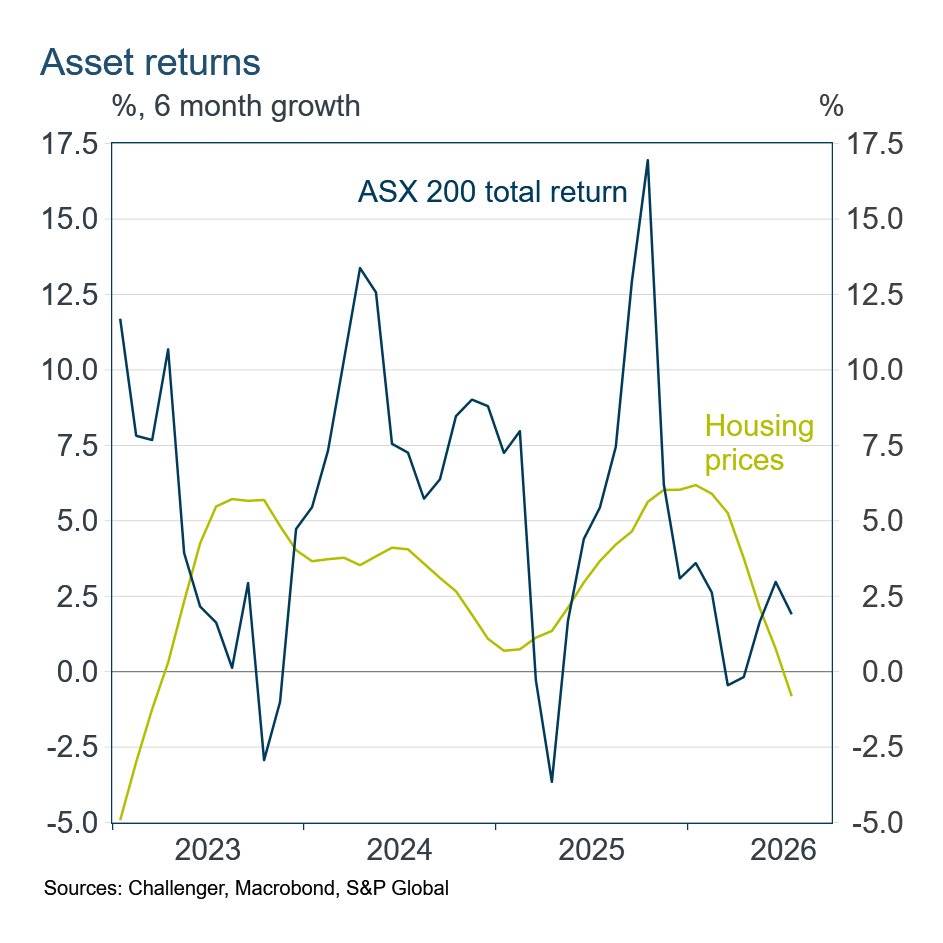
Asset returns also contribute to households’ spending power, particularly for retirees and older asset-rich households. Australian equity returns have slowed this year, with annualised returns over the past six months of just under 4%, below the historical average of around 9%. There has also been considerable media attention on housing prices which nationally are lower than they were six months ago.
Undoubtedly higher interest rates, only moderate economic growth and weaker asset returns are detrimental to households, and some households will be struggling. However, the available data suggest that households overall remain in in a strong position and continue to spend. If household spending does not slow, a further increase in rates is likely.