

Inflation justifies third rate hike

Subscribe to Macro Musing
To stay up to date on the latest economic insights, subscribe to Macro Musing on LinkedIn.
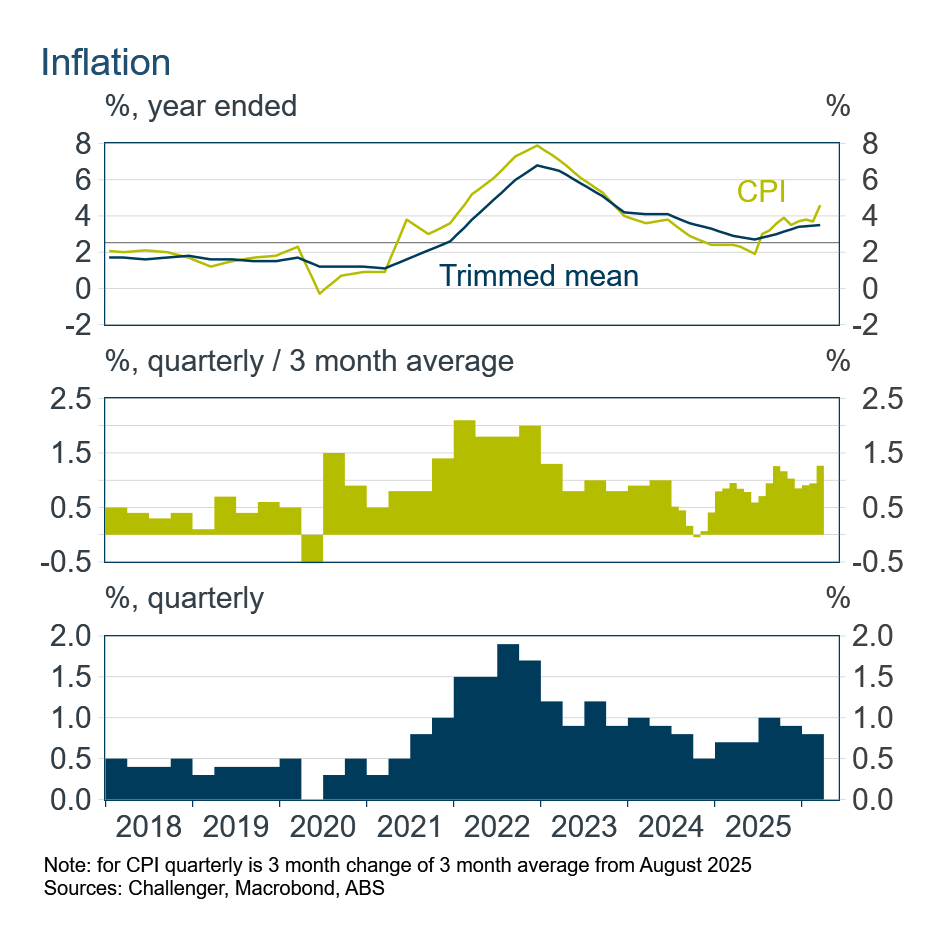
CPI inflation was 1.1% in March and 4.6% over the year driven by the surge in petrol prices from the war in the Middle East. The measure the RBA focuses on when setting monetary policy – trimmed mean inflation – which largely abstracts from the petrol price jump was 0.8% in the March quarter, a slight easing from the alarming rates of 1.0% and 0.9% in the preceding quarters.
Trimmed mean inflation of 0.8% shows excess demand is still too high and should see a third consecutive RBA hike at its meeting next week. This measure of inflation will be above the RBA’s 2.5% target for at least six years. That increases the risk of high inflation becoming ingrained in the economy, which would ultimately necessitate an even stronger monetary policy response. To avoid that the RBA needs to act now.
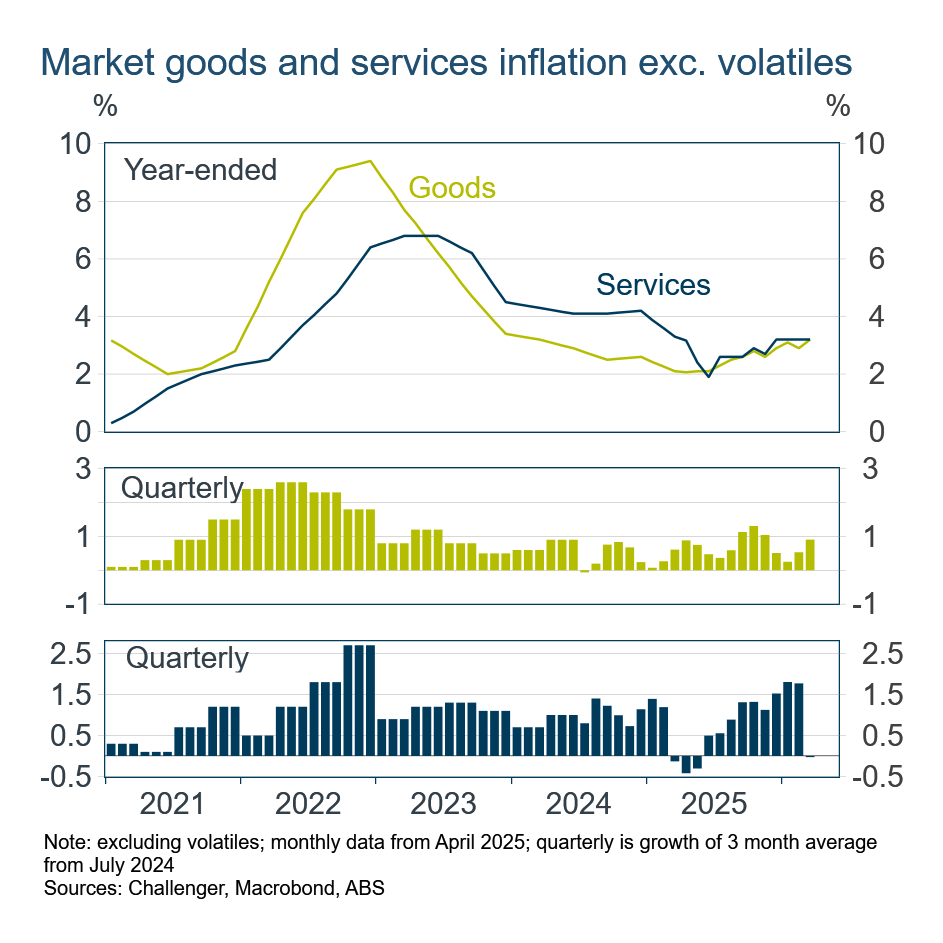
To discern inflationary pressures from excess demand the RBA also pays attention to market goods and services inflation (excluding volatile items, such as petrol). These measures do not provide evidence of a significant slowing in inflationary pressures that the RBA would want to see. On a year-ended basis, they have been relatively stable for a few months. However, the 3-month rate – which is consistent with the longer history of quarterly rates – has picked up for goods but fallen sharply for services.
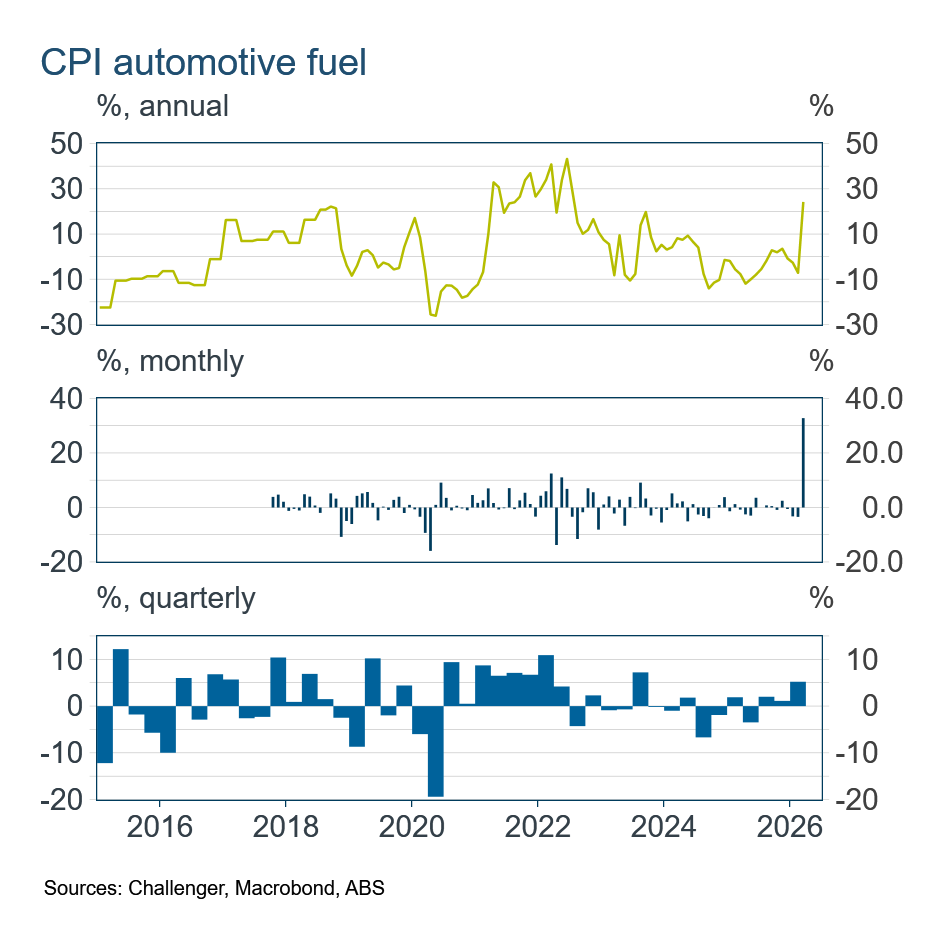
Fuel prices increased by 32% in March, with the ABS noting this was the largest increase in its history of monthly price data. However, given the price jump came in the last month of the quarter, the 5% quarterly increase in the cost of fuel was only half earlier increases. The 24% increase in fuel over the year is still well below the 43% annual increase following Russia’s invasion of Ukraine.
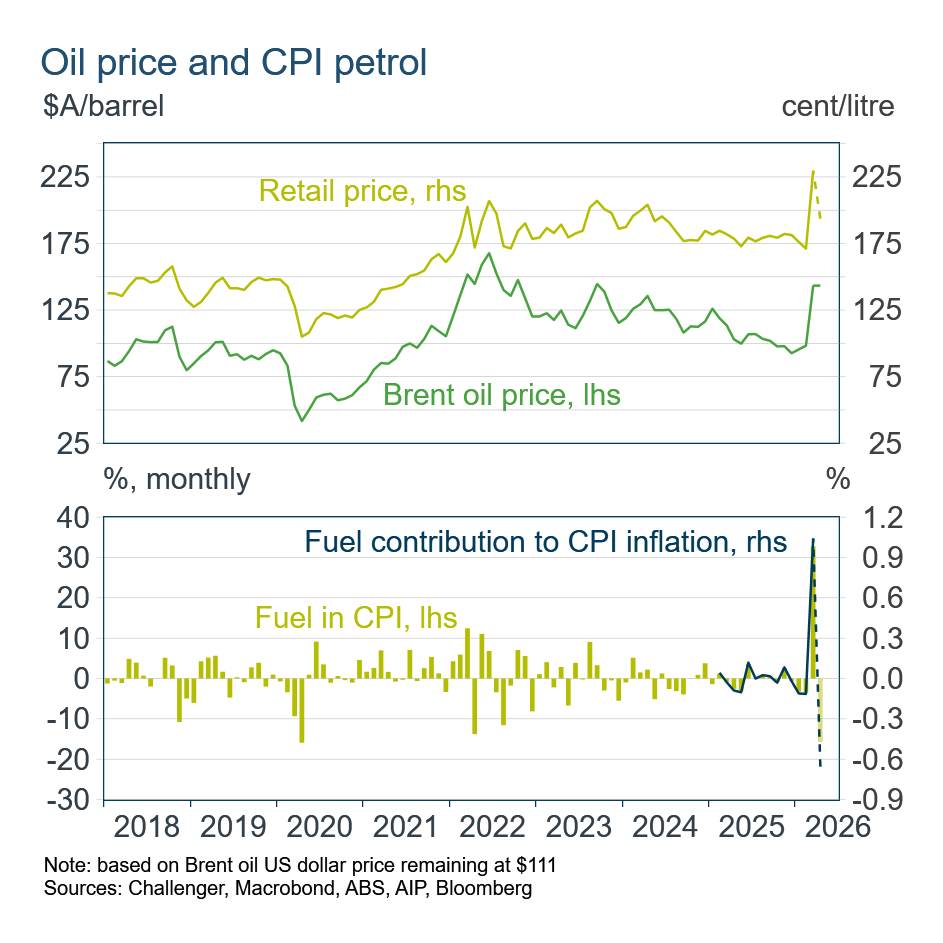
Fuel added 1% to inflation in March. However it is set to subtract just over 0.5% from inflation in April as the cut in fuel excise from 1 April, and no change in the monthly average global oil price in April, have seen the average retail petrol price fall from $2.30 in March to $1.94 in April.
However, the increase in petrol and diesel prices will add to inflation in coming months as transport costs rise and oil-based products such as plastics, become more expensive. These second-round effects are likely to see the annual rate of inflation climb higher, even as petrol prices have eased.
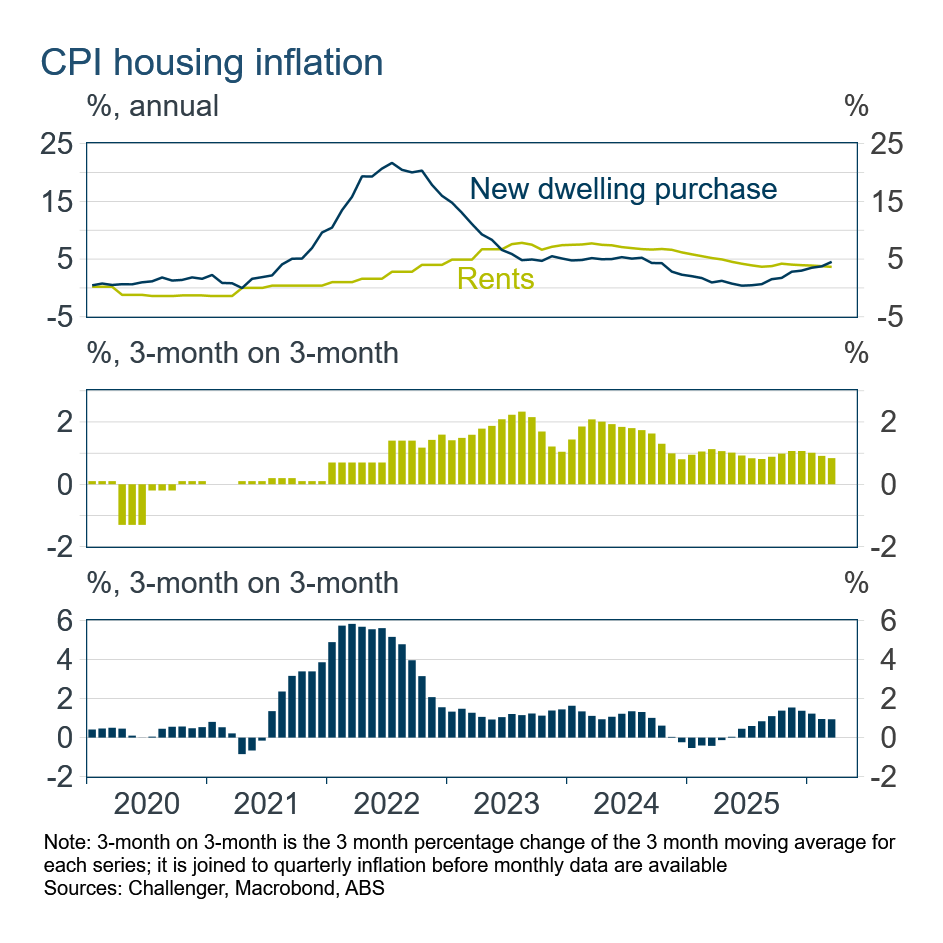
The inflation data were so dominated by fuel costs that it was hard to find other price changes of note. Housing inflation remains a concern for the Government given its importance to the ‘cost of living’ debate. Rents increased by 3.7% over the year – faster than wage growth – although 3‑month rates show some easing. The cost of building new dwellings increased by 4.5% over the year and is likely to rise further in coming months given higher material and transport costs related to the oil shock.
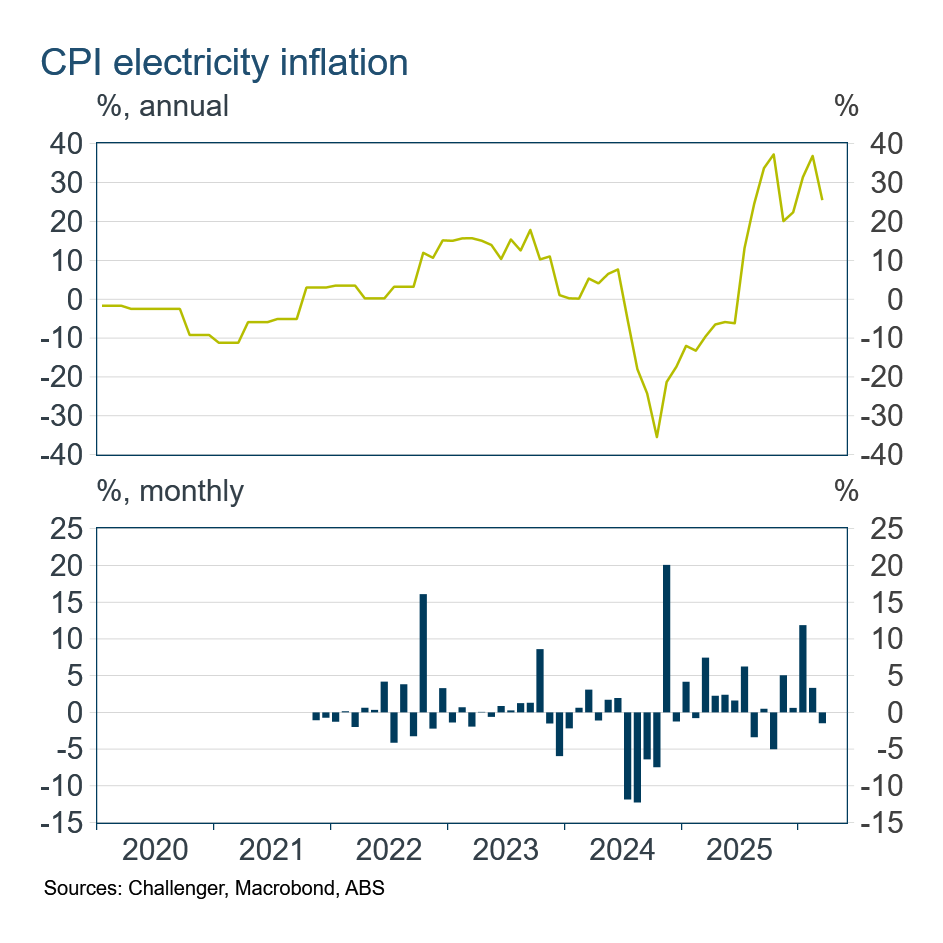
The price of electricity increased by 25% over the year, even as it fell in March, boosted by the earlier expiration of state and Federal government electricity rebates. Electricity should play a less dominant role in driving inflation going forward.
Related content
Stay informed
Sign up to our free monthly adviser newsletter, Tech news containing the latest technical articles, economic updates, retirement insights, product news and events.